Back PainLearn moreabout Back Pain
Back Pain
Foot pain can show up in many ways, but in most cases, it’s linked to how your arches are (or aren’t) supported.
Foot pain isn’t just uncomfortable, it’s disruptive. Whether it’s a dull ache at the end of the day, sharp pain when you take your first steps in the morning, or soreness that won’t go away no matter what shoes you wear, foot pain affects how you move, work, and live.
The challenge? Foot pain isn’t one-size-fits-all. Pain in different areas of the foot often points to different underlying issues. The good news is that many of the most common causes of foot pain share a root problem: poor or unsupported arches.
This page is your starting point. Below, we’ll quickly break down the most common types of foot pain, explain why they happen, and show how proper arch support can help relieve pain and prevent it from coming back. From here, you can dive deeper into specific symptoms and conditions with our detailed guides.
Most foot pain falls into a few common categories based on where you feel it:
Each of these pain patterns can point to different conditions—but many are influenced by how your arches function (or don’t).
Your arches are the foundation of your body. They absorb shock, distribute pressure, and help keep your feet—and the rest of your body—aligned. When your arches aren’t properly supported, stress shifts to areas that aren’t built to handle it.
That extra stress can lead to:
Proper arch support works by:
Learn more about how personalized support works on our Arch Support Solutions page.
Many people try generic insoles or cushioned inserts and don’t get relief—not because arch support doesn’t work, but because the support doesn’t match their foot type or pain pattern.
👉 Explore deeper insights in our article Foot Pain: How to Relieve It and When to See a Doctor
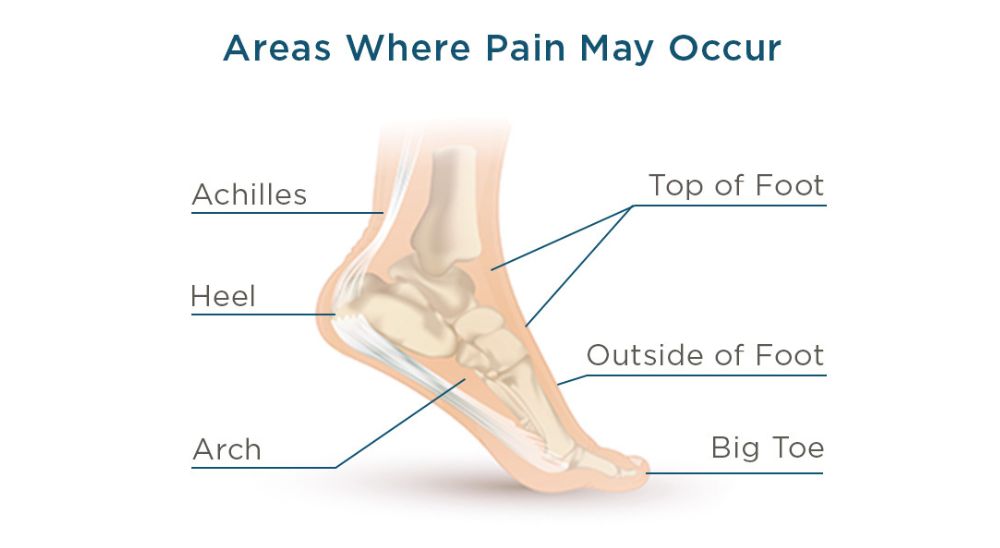
Below are the most common areas where foot pain shows up, along with typical causes. This mirrors how foot pain is often diagnosed—by location first, then symptoms.
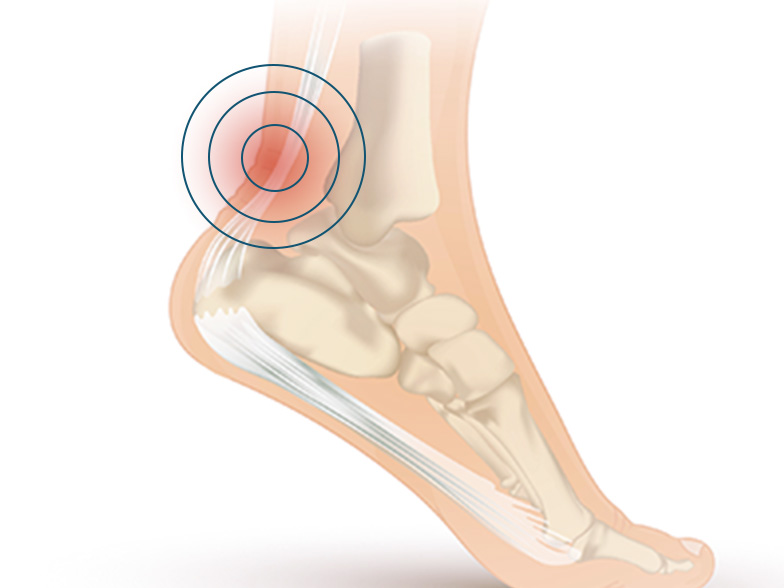
Pain at the back of the foot—especially just above the heel—is often related to the Achilles tendon. This type of pain may start as tightness or soreness and gradually become more persistent, particularly after activity or first thing in the morning. Because the Achilles plays a major role in walking and pushing off the ground, even mild irritation can impact daily movement.
Common causes include:
When arches aren’t properly supported, the foot can collapse or move inefficiently, forcing the Achilles tendon to absorb more stress with every step. Targeted support designed for your arch type can help reduce that strain.
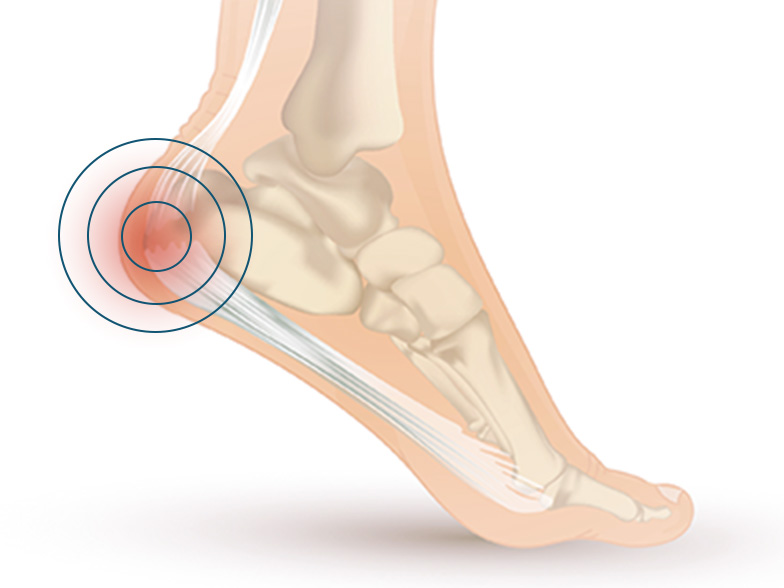
Heel pain is one of the most common forms of foot pain and is often described as sharp, stabbing, or deeply sore. Many people notice it most with their first steps in the morning or after sitting for long periods. Over time, untreated heel pain can become constant and limit how much time you can comfortably spend on your feet.
Common causes include:
Lack of proper arch support allows the plantar fascia to overstretch, which can lead to ongoing irritation and chronic heel pain. Properly fitted support can help address this at the source.
👉 Explore deeper insights in our upcoming guide: Morning Foot Pain: Why Your Feet Hurt When You Wake Up
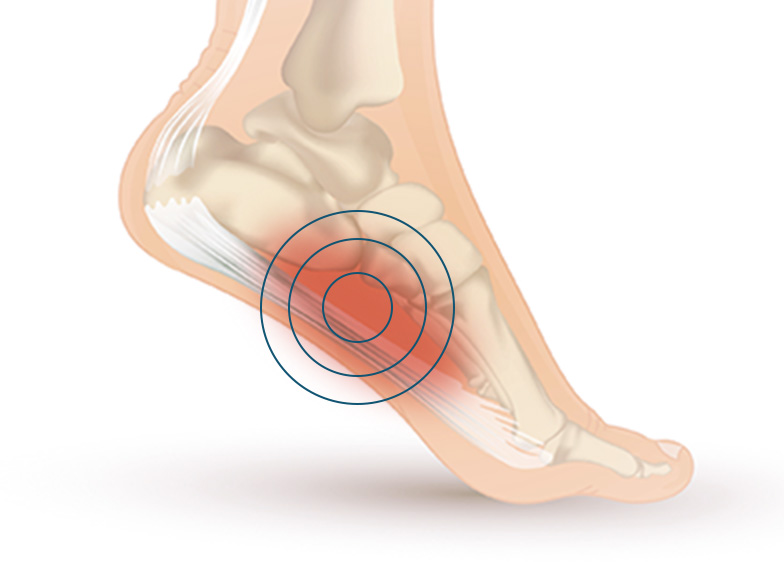
Arch pain often feels like aching, burning, or tightness through the middle of the foot. It may show up during activity, after long days on your feet, or even while resting. Both flat feet and high arches can experience arch pain—just for different reasons.
Common causes include:
Supporting the arch helps control excessive movement in flat feet or reduce rigidity in high arches, easing strain on muscles and connective tissue. This is exactly what our Arch Support Solutions are designed to do.
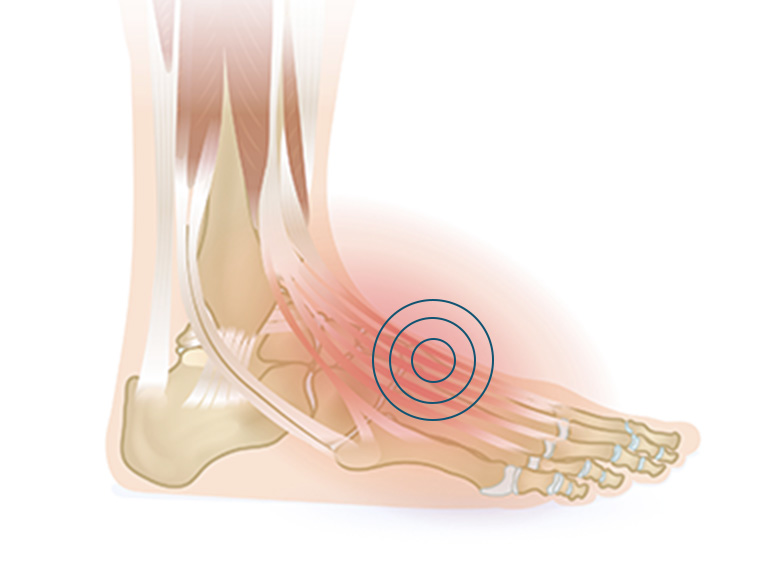
Pain on the top of the foot is often noticeable as tenderness, swelling, or discomfort when walking or wearing shoes. While it’s sometimes linked to footwear pressure, underlying foot mechanics frequently contribute—especially if the pain returns even after changing shoes.
Common causes include:
When arches aren’t properly supported, the foot may compensate during movement, increasing stress across the top of the foot.
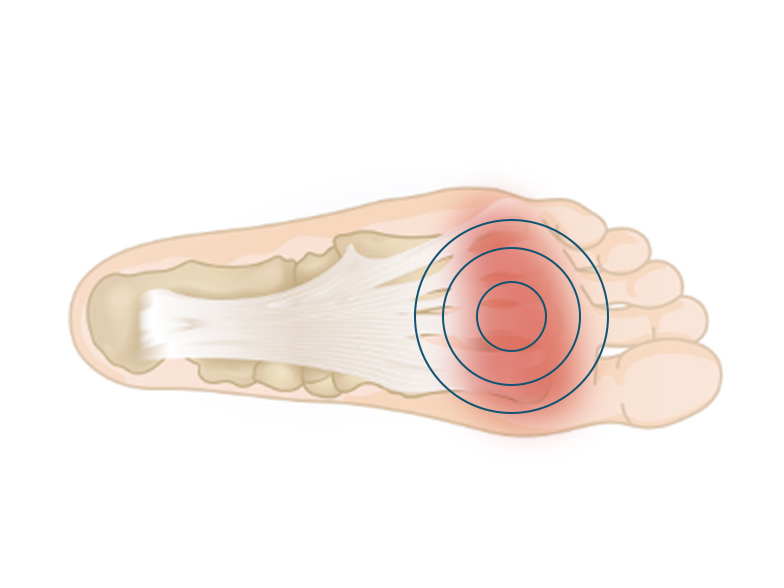
Ball of the foot pain is typically felt just behind the toes and may feel sharp, burning, or like you’re walking on a pebble. This type of pain often worsens with standing, walking, or wearing unsupportive or narrow shoes.
Common causes include:
When arches aren’t supported, pressure shifts forward into the ball of the foot. Proper arch support helps redistribute weight more evenly.
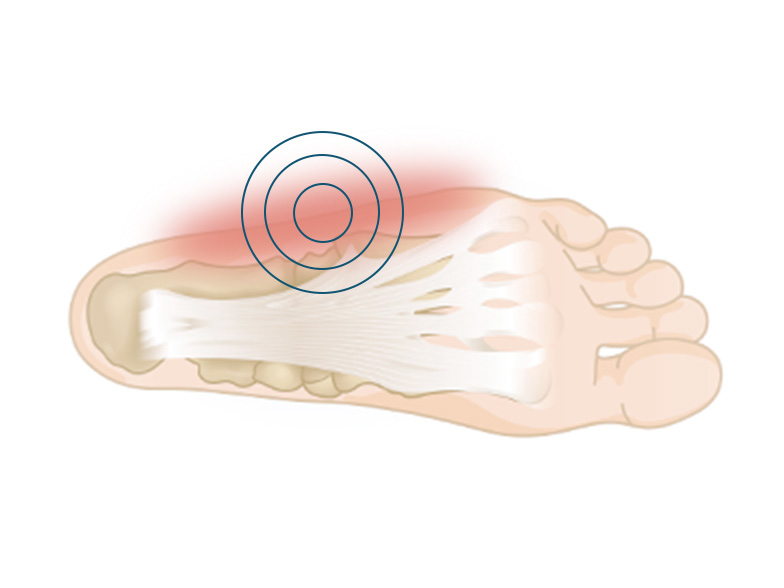
Pain along the outer edge of the foot can feel sharp, sore, or unstable, particularly during walking or standing. This type of pain is often tied to how weight moves across the foot and may worsen with uneven surfaces or prolonged activity.
Common causes include:
Proper arch support helps stabilize the foot and encourages more balanced weight distribution.
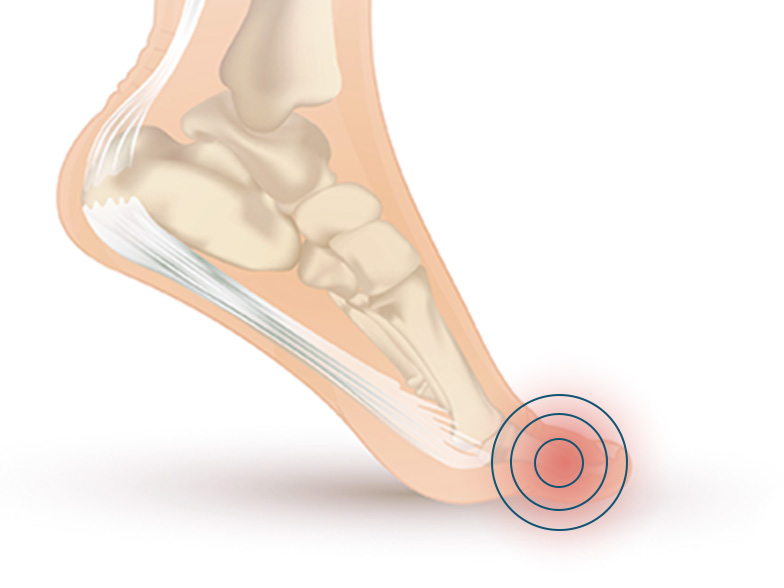
Big toe pain can interfere with balance and make walking feel awkward or painful, since the big toe plays a key role in push-off with each step. Pain may feel stiff, achy, or sharp and can worsen over time if underlying issues aren’t addressed.
Common causes include:
When arches aren’t supported, pressure often shifts forward, placing added stress on the big toe joint. Addressing arch mechanics with the right solution can reduce this pressure.
Sometimes foot pain isn’t isolated to one area. Instead, the entire foot may feel sore, tired, or stiff—especially at the end of the day. This kind of discomfort is common for people who spend long hours standing, walking, or working on hard surfaces.
Common causes include:
Proper arch support helps reduce fatigue by improving efficiency and reducing unnecessary strain across the foot. Our Arch Support Solutions are designed to support your feet throughout the day, not just cushion them.
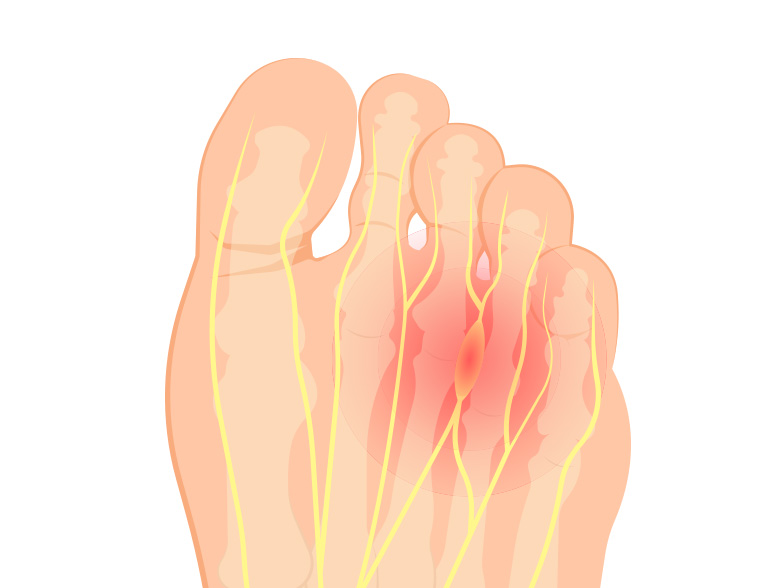
Nerve-related foot pain often feels different from muscle or joint pain. It may present as tingling, burning, numbness, sharp shooting pain, or a pins-and-needles sensation. Nerve pain can come and go—or become more noticeable at night or after activity.
Common causes include:
Poor arch support can contribute to nerve irritation by allowing excess pressure or abnormal movement within the foot. Supporting proper alignment can help reduce that stress—explore our Arch Support Solutions to learn more.
Understanding where your foot hurts is the first step. Understanding why it hurts is what leads to lasting relief.
To go deeper, explore our symptom-based guides:
Foot pain relief isn’t about masking symptoms, it’s about addressing the root cause. For many people, that starts with proper arch support designed to match their foot type, activity level, and pain pattern.
If foot pain is interfering with your daily life, getting fitted for the right support can make a meaningful difference—not just for your feet, but for how your entire body feels.
Your feet carry you through life. Giving them the right support can change how every step feels.
Concerns & Conditions
Learn more about different types of body pain and how arch supports can help
Our Arch Supports Are Designed to Align Your Body from the Feet Up and Can Help Provide Relief from Pain and Discomfort.