Foot PainLearn moreabout Foot Pain
Foot Pain
If your hips ache after standing, walking, or even sitting too long, you’re not alone.
Hip pain can affect anyone — from active adults to those who spend hours on their feet. While it’s often easy to blame age or activity level, discomfort in your hips can actually start much lower in the body. How your feet move and support your frame plays a major role in how your hips feel every step of the way.
Your hips are among the most stable joints in the body, but they take on a lot of impact from daily movement. Over time, the bones, muscles, tendons, and ligaments can wear down or tighten up — leading to stiffness, soreness, or sharp pain.
Common reasons people experience hip pain include overuse, inflammation, arthritis, or simply moving in a way that’s slightly out of alignment. When your feet or legs aren’t properly supported, even small imbalances can put extra stress on the hips.
Learn more about how foot problems can cause hip pain as we explain the kinetic chain.
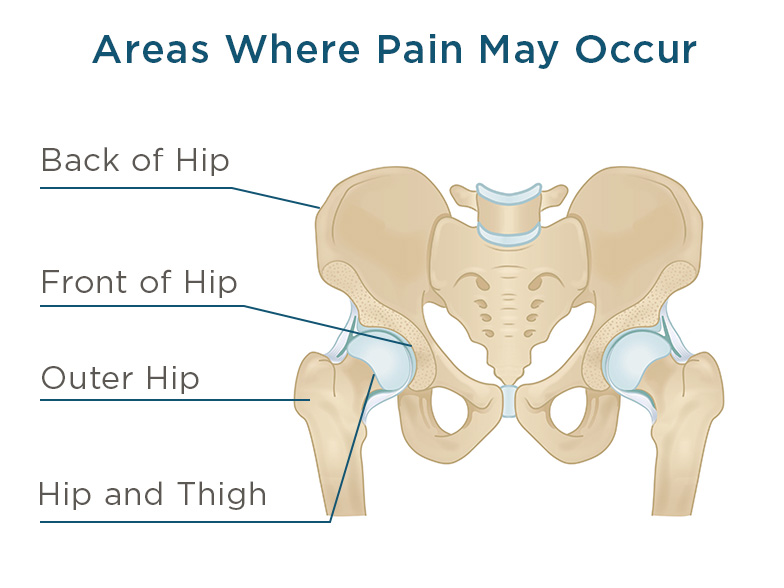
Pinpointing hip pain can be tricky because discomfort often shows up in different ways depending on where it starts. Understanding what’s happening in each area can help you find the right kind of relief.
The inner hip area is home to the hip flexor muscles — the group of muscles that help you bend and lift your legs. Tight or overworked hip flexors can make everyday movement feel stiff or achy. Sitting for long periods or overusing these muscles during workouts can lead to irritation or small strains.
You might notice pain when you lift your knee, climb stairs, or stand up from sitting. Gentle stretching, movement, and proper body alignment can help release tension and prevent future flare-ups.
The outer hip is where the main joint sits, making it especially prone to overuse or inflammation. If you feel soreness or tenderness on the side of your hip, it may come from irritated soft tissues or repetitive motion.
As the cartilage and supporting structures wear down, everyday activities like walking or sleeping on your side can feel uncomfortable. Good posture, strong hip muscles, and proper foot alignment all help relieve pressure on the outer hip joint.
Pain in the front of the hip often feels like it’s radiating from the thigh or groin area. It can happen when the joint structure becomes irritated by repetitive movement or poor alignment.
Even small differences in how your legs or feet move can cause one side of your body to work harder than the other. Over time, this imbalance can lead to pinching or tightness at the front of the hip. Rest, mobility work, and proper support under your feet can make a big difference in how your hips function.
Discomfort in the back of the hip can feel like it’s coming from your lower back or glutes. It’s often related to muscle tension, tightness, or misalignment that affects how your pelvis moves.
When your hips or lower spine are out of balance, the muscles around them have to work harder to stabilize your body. That extra effort can cause soreness after standing, walking, or bending. Focusing on body alignment — starting with your feet — helps reduce that strain over time.
Learn more about specific hip pain areas and symptoms.
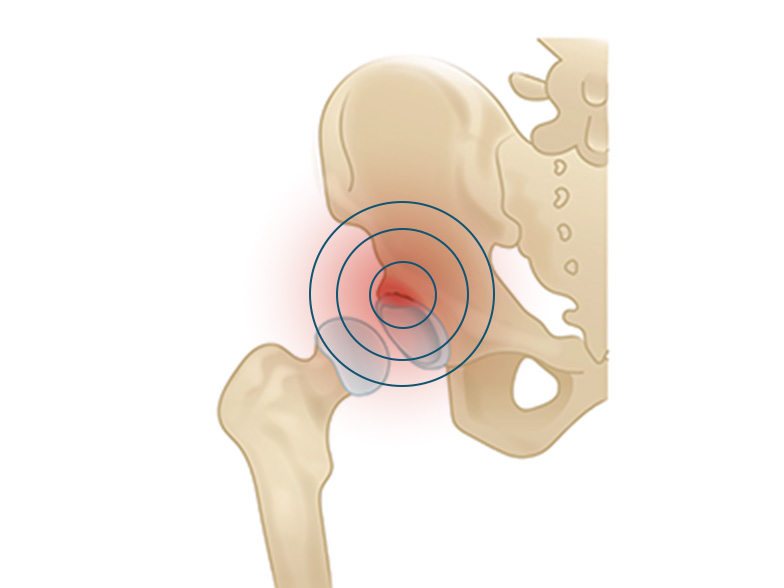
If you’re struggling with sore or tight hips, gentle stretching, movement, and rest can help. For longer-term relief, look beyond the hips themselves and consider how your posture and alignment may be contributing to the problem.
Because your feet form the foundation of your body, imbalances there can travel upward, affecting your knees, hips, and lower back. Restoring that foundation can often ease the pressure and promote better balance throughout your body.
Go deeper and explore what shoe inserts work best for hip pain.
While mild hip pain often improves with rest and alignment support, certain symptoms deserve medical attention. You should see a healthcare professional if you experience sudden or severe pain, a loss of mobility, swelling, bruising, or pain following an injury or fall.
A medical evaluation can help identify issues like fractures, arthritis, or other joint conditions that may require treatment. Once you’ve ruled out or addressed those concerns, supportive measures like arch supports can play a helpful role in improving comfort and movement.
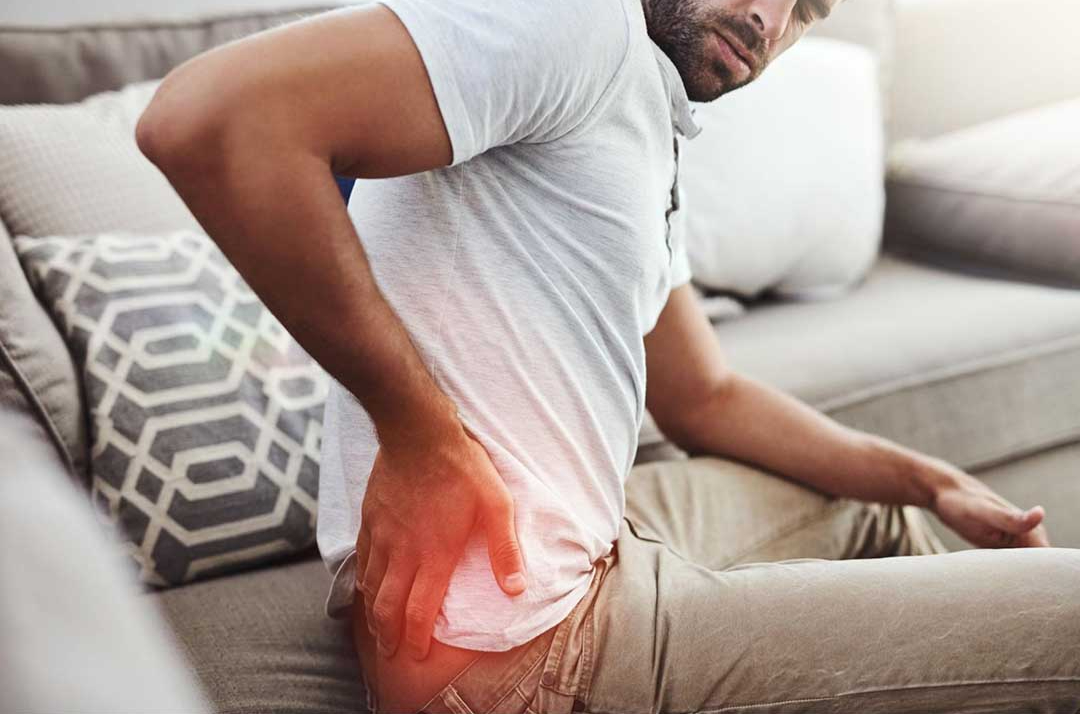
Arch supports do more than make shoes feel comfortable — they can help realign your entire body from the ground up. When your arches are properly supported, your feet are positioned in a more natural alignment, reducing strain on your knees and hips.
Good Feet Arch Supports are designed to support all four arches of the foot, helping distribute weight evenly and improve overall balance. During a free fitting at The Good Feet Store, trained Arch Support Specialists work one-on-one with you to find the best combination of supports for your feet, shoes, and lifestyle.
Many customers find that proper alignment not only reduces hip pain but also helps them move more comfortably throughout the day.
What kind of shoe inserts help with hip pain?
Inserts that support the arches and promote natural alignment can help reduce pressure on the hips. Good Feet Arch Supports are engineered to place your feet in their ideal position, which can improve how your hips and lower back move with every step.
Can foot alignment really affect hip pain?
Yes. When your feet roll inward or outward, it changes how your legs and hips absorb shock. Proper arch support helps keep everything aligned, reducing extra stress on the joints above.
Do arch supports really make a difference with hip pain?
They can. Many people notice less discomfort and better balance once their feet are properly supported. At The Good Feet Store, you can experience the difference firsthand with a free fitting and test walk.
What happens during a Good Feet Store fitting?
Our specialists take the time to understand your lifestyle and comfort goals, then recommend arch supports designed to fit your needs. You can try different styles in-store to see how they feel — no appointment needed.
How do flat feet or fallen arches affect hip alignment?
Flat feet can cause your ankles to roll inward, a movement called overpronation. This inward roll shifts your leg alignment and can make the hips rotate slightly forward or inward. That small change in posture may increase strain on hip muscles and joints during walking or standing.
Is hip pain only a problem for older adults?
Not at all. While hip discomfort is common with age, it can affect people of any age — especially those who stand for long periods, wear unsupportive footwear, or are physically active. Even young athletes and workers on their feet all day can experience hip strain caused by poor foot mechanics.
Good Feet Arch Supports help restore alignment from the ground up — improving balance, stability, and comfort. Whether your hips ache during activity or just getting through the day, relief might start with your feet.
Stop by your local Good Feet Store for a free fitting and test walk. Walk-ins are always welcome.
Concerns & Conditions
Learn more about different types of body pain and how arch supports can help
Our Arch Supports Are Designed to Align Your Body from the Feet Up and Can Help Provide Relief from Pain and Discomfort.